Free Penguin Holding Fruits Basket SVG: A Designer’s Real-World Evaluation
First Impressions and Design Personality
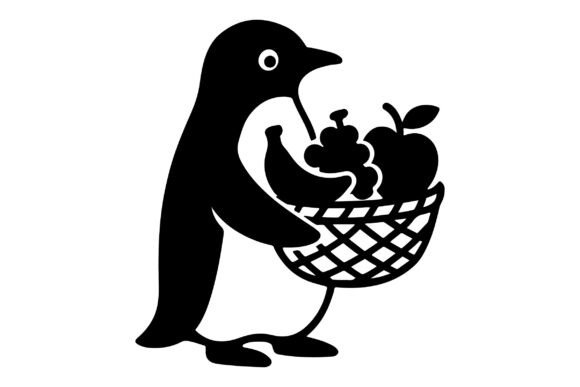
The Free Penguin Holding Fruits Basket SVG caught my eye with its whimsical charm. At first glance, it feels like the kind of design that would make a customer smile—something playful yet elegant enough to work in a variety of embroidery projects. The penguin is rendered in a cartoonish but refined style, holding a basket overflowing with fruits, which gives off a warm, cheerful vibe. It's not too literal, nor overly stylized; there's a nice balance between detail and simplicity.Where This Design Shines
- Custom Apparel: On a cotton sweatshirt, the design looked vibrant and had good stitch definition. The satin stitch outlines gave it a polished look without overwhelming the fabric.
- Tote Bag Embroidery: When applied to a canvas tote, the fill stitches held up well. The contrast of thread colors was easy to maintain, and the overall appearance was clean and professional.
- Baby Clothes & Nursery Decor: The softness of the penguin shape and the colorful fruit basket made it ideal for a personalized baby item. It felt age-appropriate and added a touch of innocence and joy.
- Holiday Gifts: I tried using it as an embroidered patch for a Christmas apron, and it worked beautifully. The festive fruit theme paired well with holiday color schemes.
- Commercial Use: For small shop products, such as embroidered kitchen towels or boutique-style pillow covers, the design brought a sense of quality and attention to detail. It’s versatile enough to fit into a line of handmade goods without feeling out of place.
Design Performance in Real Embroidery Situations
When considering the performance of Free Penguin Holding Fruits Basket SVG, I always test it on actual materials before finalizing a project. Here’s how it performed across a range of common embroidery applications:In sweatshirt embroidery, the design maintained its structure and didn’t distort. The stitch density was manageable, avoiding the need for excessive tension adjustments. The use of running stitch in some areas helped keep the design lightweight and breathable, which is important for comfort in wearable items.
On handmade product lines like tea towels and aprons, the fruits’ edges were crisp, and the overall composition didn’t lose its charm after stitching. The design felt like a true embroidery file meant for crafters and entrepreneurs who want to add personality to their offerings.
I also experimented with it as a printable mockup for digital product previews. The SVG format handled scaling well, and the vector nature kept everything sharp even at larger sizes. That’s a big plus for anyone selling design assets online or creating custom apparel templates for clients.
Where Caution Is Needed
- Small Hoop Sizes: If you're working with a hoop smaller than expected, the fruit basket may get cramped. Always confirm the hoop size required for your machine before starting.
- Textured or Stretchy Fabrics: The fine details in the penguin’s face could be affected by fabric texture or stretch. Stick to stable, medium-weight fabrics for best results.
- Dark Fabric Backgrounds: The default thread colors provided in the digital embroidery file work well on light backgrounds. For dark fabrics, consider swapping thread colors for better visibility and contrast.
- Curved Surfaces (e.g., Caps): While possible, the design needs careful placement and possibly resizing. Curved surfaces can cause distortion if not properly adjusted.
- Products Subject to Frequent Washing: Dense stitch areas might fray over time, especially on thin or loosely woven fabrics. Using the correct stabilizer and thread weight is essential in these cases.
Impact on Visual Appeal and Branding
This design adds a unique character to any embroidered patch or garment. It’s not generic—it tells a story. The combination of a cute penguin and a fruit basket creates a subtle narrative, making it more engaging for customers. In the context of a craft business or Etsy seller lineup, this kind of storytelling can set your products apart. For personalized gift ideas, the design offers a lot of flexibility. You could easily add names or dates around it, turning it into a memorable keepsake. The visual appeal is high enough to justify using it as a standalone feature on a tote bag or cap, but it also functions well as a decorative accent next to text or other motifs. From a branding perspective, the design supports brand consistency if used thoughtfully. Its consistent style and recognizable elements can become part of your signature aesthetic, especially if you're targeting a family-friendly or nature-inspired niche.Thread Color Considerations
The thread colors included with the embroidery file are a good baseline, but they’re not set in stone. Depending on your fabric and the desired effect, you might want to adjust them. For instance, using metallic threads for the fruit highlights could elevate the design from simple to luxurious. However, this would require checking the original stitch instructions and possibly reprogramming the file for optimal results.Designer Notes and Practical Tips
- Test on Scrap Fabric: Before stitching anything for sale or a client, run a trial. Especially for small shop product development, seeing how the design behaves under pressure is critical.
- Check Thread Contrast: Make sure the colors pop against your chosen fabric. If you’re going bold, use contrasting threads. If you want something subtle, opt for tonal shades.
- Review Stitch Density: Some parts of the design have denser fills. If you’re working with delicate fabrics, consider adjusting the stitch spacing or using a tear-away stabilizer to avoid puckering.
- Confirm Hoop Size Requirements: Since the product description doesn’t specify the minimum hoop size, it’s important to open the file and check dimensions. This will save you time and frustration later.
- Inspect Small Details: The facial features and fruit textures are delicate. Test them on a similar material to ensure they don’t vanish during stitching or get lost in the grain of the fabric.
- Use Proper Stabilizer: Especially for stretchy or thin materials, a good stabilizer is your best friend. It’ll prevent distortion and help the design hold up after washing.
- Test in Black and White: Sometimes, designs look great in color but lose their impact when converted to grayscale. Doing a quick black-and-white mockup helps assess how it'll perform in monochrome versions.
- Compare Light and Dark Backgrounds: See how the design reads on both. This is particularly useful if you're planning to offer variations or print samples.
- Check Licensing: Since this is a digital product, always verify whether it allows commercial use. Without proper licensing, using it in commercial embroidery projects could lead to legal issues down the line.